Unlocking Protocol Frameworks for Synchronized Payments and Live Odds in Diverse Mobile Gambling Applications
Viktor Brooks · Jun 9, 2026
Unlocking Protocol Frameworks for Synchronized Payments and Live Odds in Diverse Mobile Gambling Applications
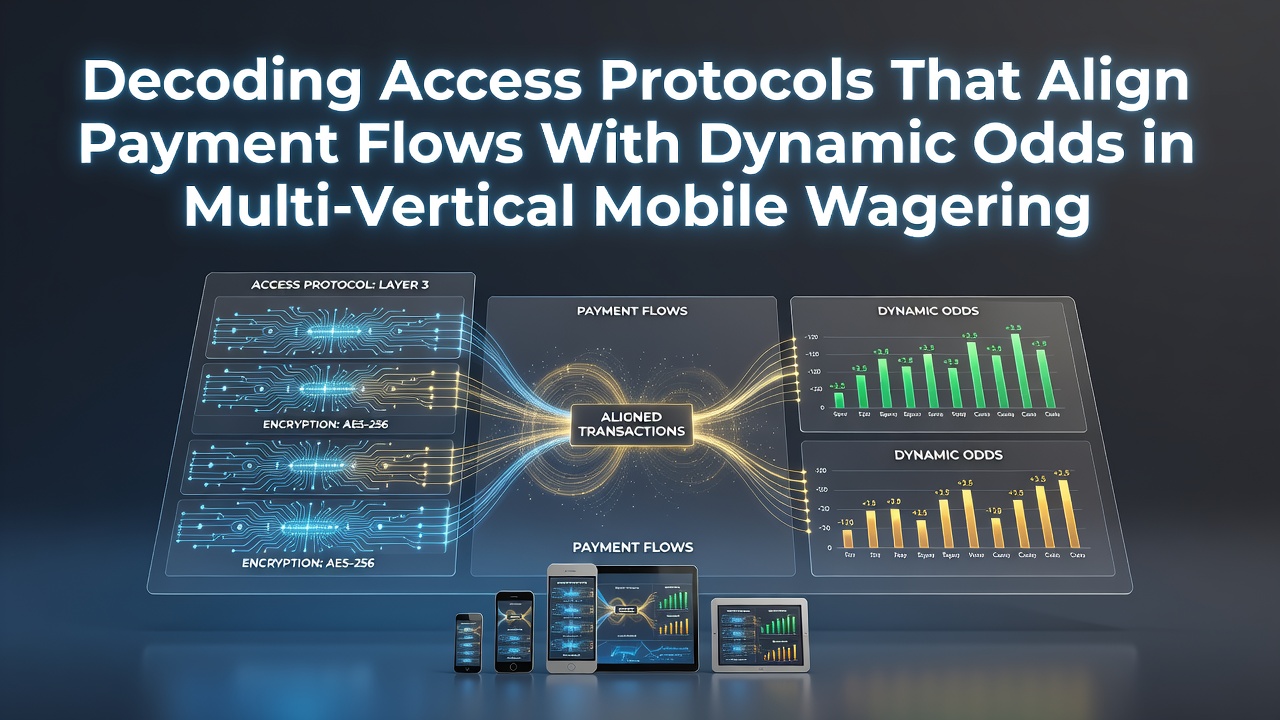
Access protocols in multi-vertical mobile wagering platforms handle the synchronization of payment flows with fluctuating odds across sports betting, horse racing, and casino games, and these systems rely on layered API structures that process user authentication, balance verification, and transaction authorization in sequence. Data from industry reports shows that operators deploy standardized endpoints to manage live updates, where odds shift based on event developments while payment gateways confirm funds availability within milliseconds. Observers note that such alignment prevents discrepancies that could arise when a bettor attempts to place a wager at outdated rates during high-volatility periods.
Core Components of Access Protocols
Developers design these protocols around token-based authentication methods that grant temporary access keys to both odds engines and payment processors simultaneously, and this dual-link approach ensures that any odds adjustment triggers an immediate revalidation of the user's account balance. Research indicates that protocols often incorporate WebSocket connections for continuous data streams, allowing mobile applications to receive updates without repeated polling, which reduces latency in environments where soccer matches or racing events generate rapid changes. Those who have studied implementation patterns find that error-handling routines play a central role, rerouting failed payment attempts through secondary gateways while preserving the integrity of the current odds snapshot.
Payment Flow Alignment Mechanisms
Payment flows integrate with dynamic odds through staged authorization sequences that lock funds at the moment a bet request enters the system, and subsequent odds revisions require re-authorization only if the stake exceeds predefined thresholds. According to technical documentation from platform providers, this process uses checksum validations to confirm that the payment amount matches the recalculated payout based on new odds, thereby maintaining consistency across verticals. In practice, casino quick-spin features and in-play racing wagers share the same backend ledgers, which means a single protocol layer can handle withdrawals from winnings generated in either area without separate reconciliation steps.
Handling Multi-Vertical Dynamics
Multi-vertical platforms face added complexity because soccer live bets, horse racing pools, and casino table games each operate on distinct volatility patterns, yet the access protocols unify them under a common odds-to-payment mapping structure. Figures from a 2025 industry analysis reveal that cross-vertical sessions account for over 40 percent of daily mobile activity in several major markets, prompting developers to embed modular routing that directs requests to the appropriate engine based on user selection. Experts have observed that June 2026 regulatory adjustments in several jurisdictions now require enhanced audit trails within these protocols, ensuring that every odds shift paired with a payment receives timestamped logging for compliance reviews.
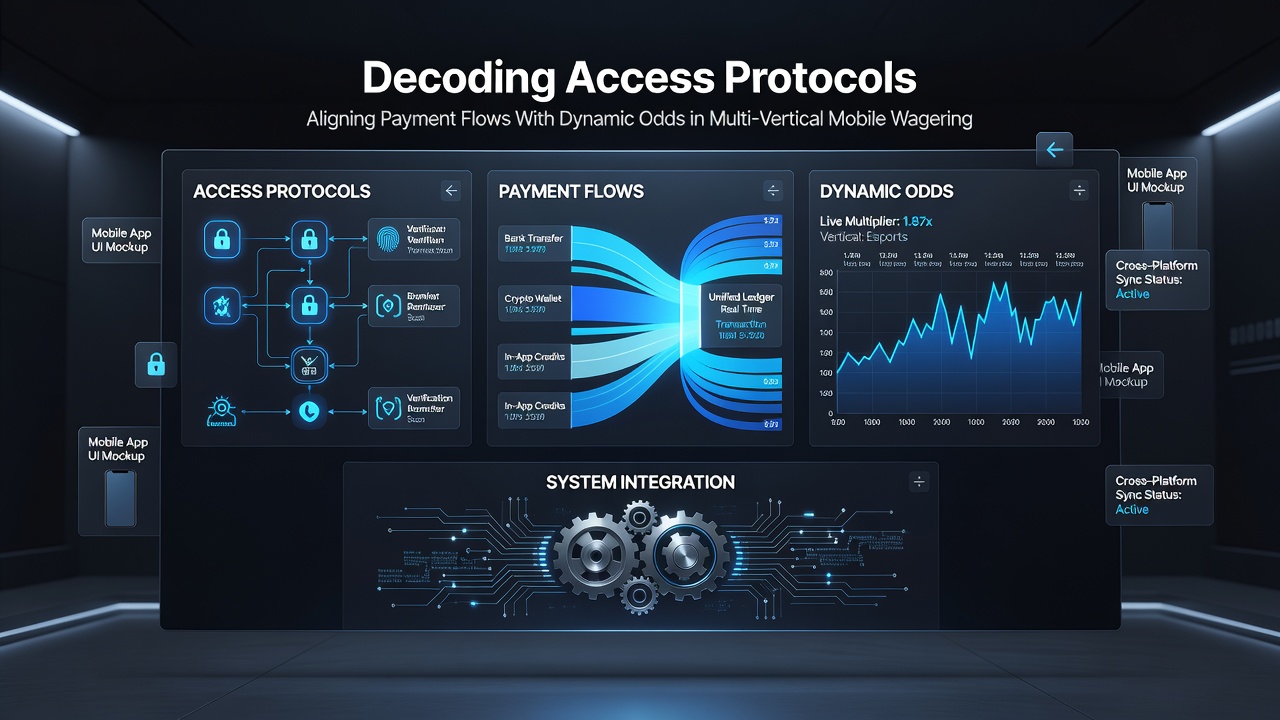
One implementation case involved an operator that integrated regional payment providers from North America and Europe into a unified protocol stack, and this allowed seamless handling of currency conversions while odds updated across verticals. The setup employed fallback mechanisms that activate when primary gateways experience delays, redirecting transactions without interrupting the odds feed. Researchers at academic institutions have documented similar architectures in peer-reviewed papers, noting their effectiveness in reducing transaction abandonment rates during peak live betting windows.
Security and Compliance Layers
Security protocols embed encryption standards at every junction between payment processing and odds distribution, and these measures align with guidelines from bodies such as the European Gaming Regulators Association. Data encryption occurs both in transit and at rest, while access tokens expire rapidly to limit exposure windows. Observers note that multi-factor verification steps often interleave with payment confirmations, requiring users to authenticate again if an odds movement exceeds a set percentage threshold before the wager finalizes.
Emerging Trends and 2026 Developments
By June 2026, several platforms had begun testing AI-assisted protocol extensions that predict odds volatility based on historical patterns and pre-allocate payment buffers accordingly, and early deployments show reduced processing times in live environments. Industry organizations including the Global Gaming Insights Consortium have published preliminary findings on these enhancements, highlighting their role in supporting higher transaction volumes without proportional increases in infrastructure costs. Those monitoring adoption rates report that operators in Asia-Pacific regions lead in rolling out such features, driven by dense mobile user bases across multiple betting categories.
Conclusion
Access protocols continue to evolve as the backbone for aligning payment flows with dynamic odds in multi-vertical mobile wagering, and their layered designs support the demands of real-time environments across diverse game types. Continued refinement of these systems addresses both operational efficiency and regulatory expectations, ensuring that mobile platforms maintain reliable performance as user behaviors and market conditions shift.