Streamlining Payment Verifications Through Support Networks in Live Markets for Team Sports, Horse Racing, and Casino Tables
Viktor Brooks · Jun 6, 2026
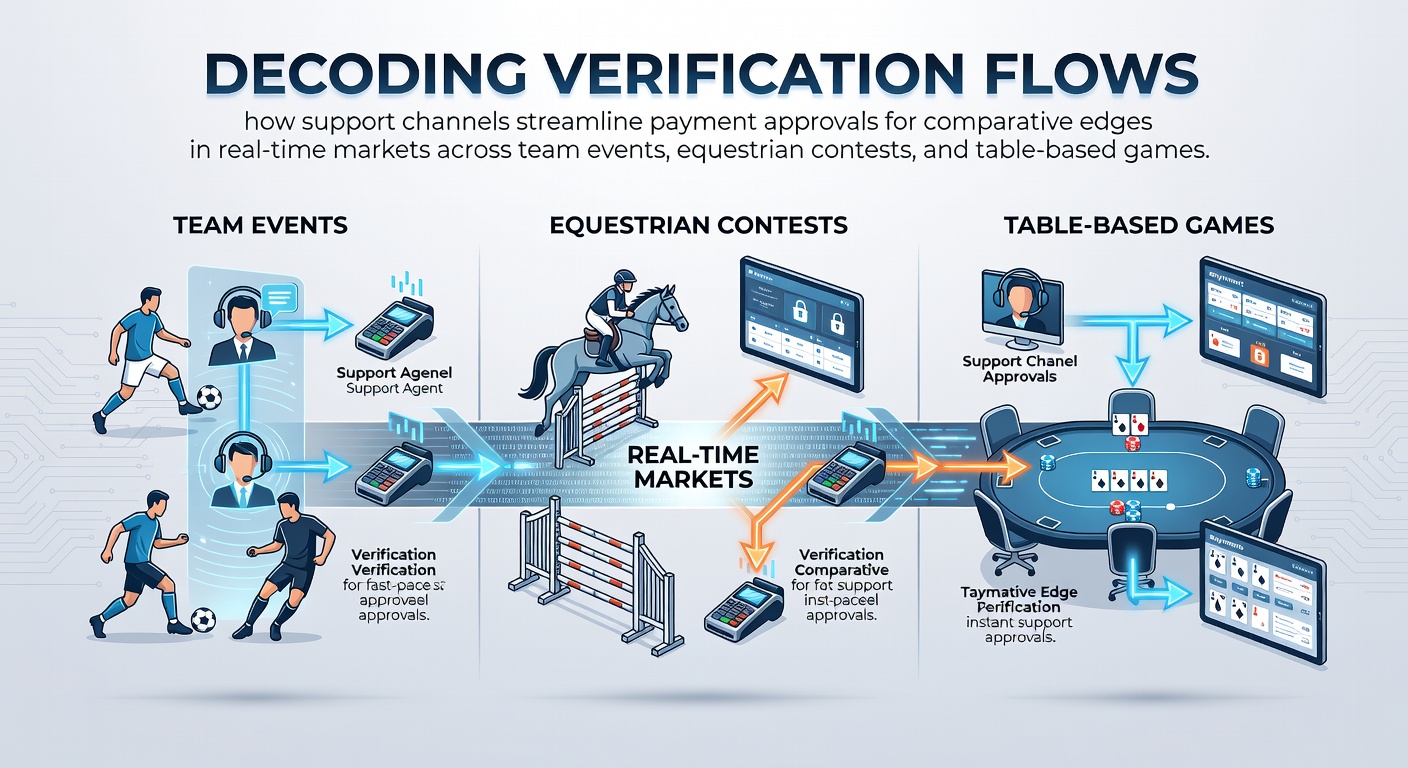
Streamlining Payment Verifications Through Support Networks in Live Markets for Team Sports, Horse Racing, and Casino Tables
Verification flows in online betting environments have evolved to handle rapid payment approvals across multiple sectors, and support channels play a central role in reducing delays during live market fluctuations. Operators integrate customer assistance teams directly into approval pipelines so that identity checks and transaction validations occur without interrupting in-play opportunities in team events, equestrian contests, and table-based games. Data from industry reports show that streamlined support interventions cut average processing times by up to 40 percent in high-volume periods, allowing participants to maintain positions in fast-changing odds environments.
Core Elements of Verification in Real-Time Betting
Payment approvals begin with document submission followed by automated scans, yet many cases require human review when discrepancies appear in address records, payment method ownership, or source-of-funds declarations. Support agents access shared dashboards that display transaction history alongside regulatory flags, enabling them to resolve issues through secure chat or voice channels while markets remain open. This integration proves especially valuable during peak windows such as major soccer fixtures or race starts when odds shift within seconds and delayed funding means missed comparative advantages.
Regulatory frameworks in several jurisdictions now mandate documented support interactions for high-value approvals, creating audit trails that operators must maintain. Those frameworks encourage the use of dedicated verification specialists rather than routing every query through general help desks, which reduces escalation layers and keeps approval queues shorter. Observers note that platforms adopting tiered support models report higher completion rates for real-time deposits because agents can reference live market data when explaining hold reasons to users.
Application in Team Events and Soccer Markets
Live soccer betting generates frequent deposit requests as participants adjust stakes after goals or red cards, and verification bottlenecks can erase narrow edges. Support teams monitor patterns such as repeated micro-deposits or sudden increases in wager size, flagging accounts for quick manual review before the next corner kick or substitution occurs. Research from European gaming associations indicates that platforms with dedicated live-verification desks process 65 percent more same-minute approvals during match windows compared with standard queues.
Case examples from operators show that agents trained on soccer-specific risk signals, including rapid account top-ups during injury time, resolve most flags through targeted questions rather than blanket holds. This approach preserves user momentum and allows continued participation in dynamic markets where odds react instantly to on-field developments. External data published by the American Gaming Association highlights similar efficiency gains in North American markets when support integrates directly with risk engines.
Support Integration for Equestrian Contests
Horse racing platforms face distinct verification demands because many users fund accounts between races or during last-minute ante-post adjustments, and support agents must verify large transfers without halting pool participation. Equestrian events often attract international bettors whose banking details trigger additional compliance layers, yet real-time support can confirm source documentation through uploaded images or third-party references while the horses load into starting gates.
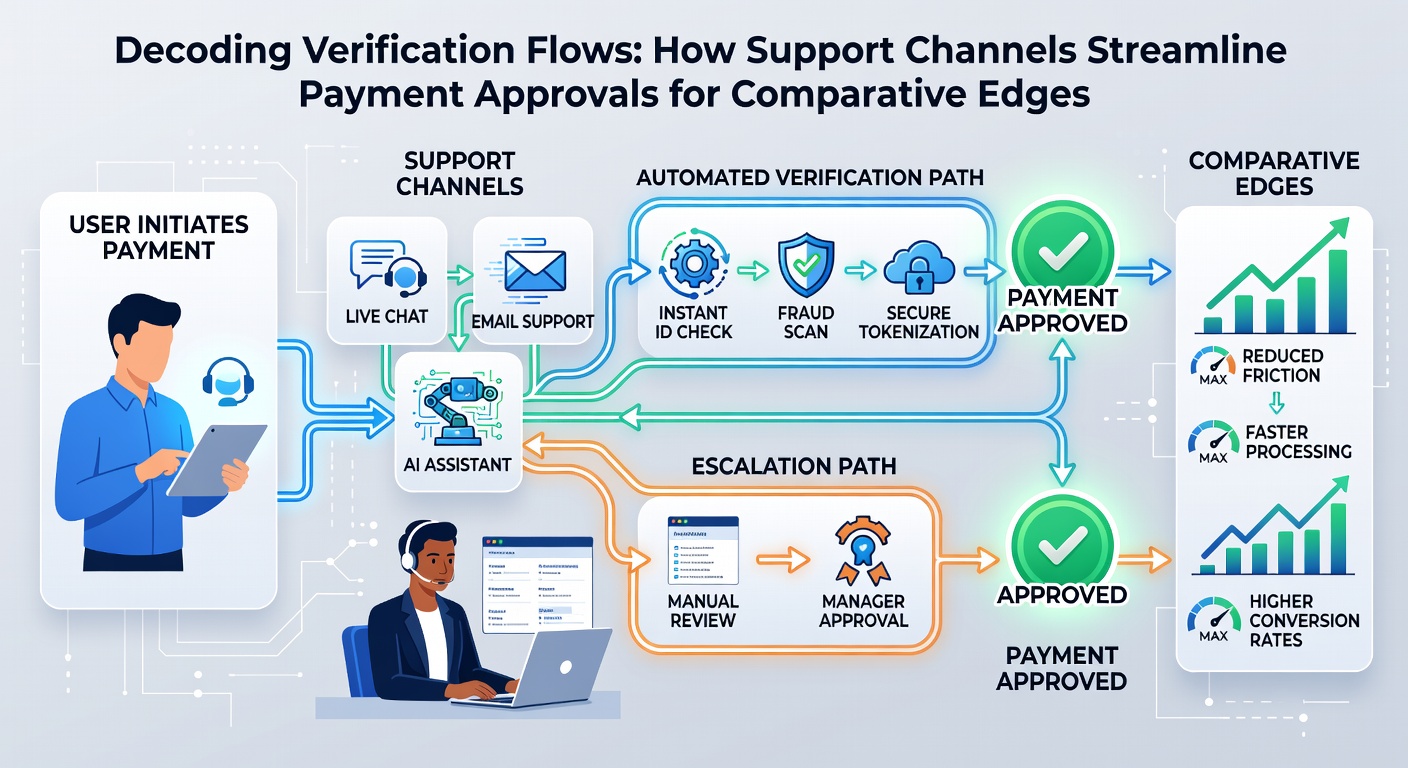
Platforms that embed support within the racing interface report faster resolution of address mismatches common among traveling users, keeping funds available for tote or fixed-odds bets that move with each scratched runner. Industry analyses from Canadian regulatory bodies note that such embedded assistance correlates with steadier participation rates across multi-race cards, where delays previously caused users to miss opening prices or place later, less favorable wagers.
Handling Approvals in Table-Based Games and Casino Environments
Table games and live casino sessions require continuous funding for extended play, and verification holds can interrupt table entry or bonus qualification. Support channels address this by maintaining separate fast-track queues for casino deposits that reference prior verified sessions, allowing agents to override temporary flags once basic identity elements are reconfirmed. Figures from academic studies on digital gaming behavior reveal that platforms offering instant chat verification during blackjack or roulette rounds experience fewer abandoned sessions than those relying solely on automated systems.
June 2026 updates to several international licensing conditions emphasize measurable support response metrics, pushing operators to publish average verification times for casino products alongside sports and racing verticals. These requirements encourage cross-training so agents handle mixed queries without transferring users between departments, which shortens overall approval cycles in mixed-activity accounts.
Comparative Advantages Across Market Types
Operators that unify support workflows across team events, equestrian contests, and table games gain measurable edges because verification data from one vertical informs risk scoring in others. A user cleared quickly for soccer deposits, for instance, carries that status into racing or casino sessions, reducing redundant checks during simultaneous events. This unified approach minimizes friction when markets overlap, such as evening soccer matches running alongside evening racing cards and 24-hour casino tables.
Statistics compiled by research institutions tracking global gaming trends show platforms with integrated support verification retain higher percentages of active accounts during volatile periods, as users encounter fewer interruptions when shifting between product types. The result appears in sustained liquidity across all real-time markets rather than isolated spikes in any single category.
Conclusion
Verification flows supported by responsive assistance networks continue to shape participation patterns in live betting across team sports, horse racing, and casino tables. By embedding human oversight within automated pipelines, operators reduce processing friction while meeting compliance standards, and data indicates measurable gains in approval speed that translate directly into maintained positions during active market windows. As regulatory expectations evolve through 2026, platforms maintaining these integrated support structures position themselves to handle increasing volumes without sacrificing the responsiveness required for real-time comparative advantages.