Payment Route Decisions Transforming Engagement Levels in Live Soccer Betting, Horse Racing, and Casino Environments
Olivia Brooks · Jun 18, 2026
Payment Route Decisions Transforming Engagement Levels in Live Soccer Betting, Horse Racing, and Casino Environments
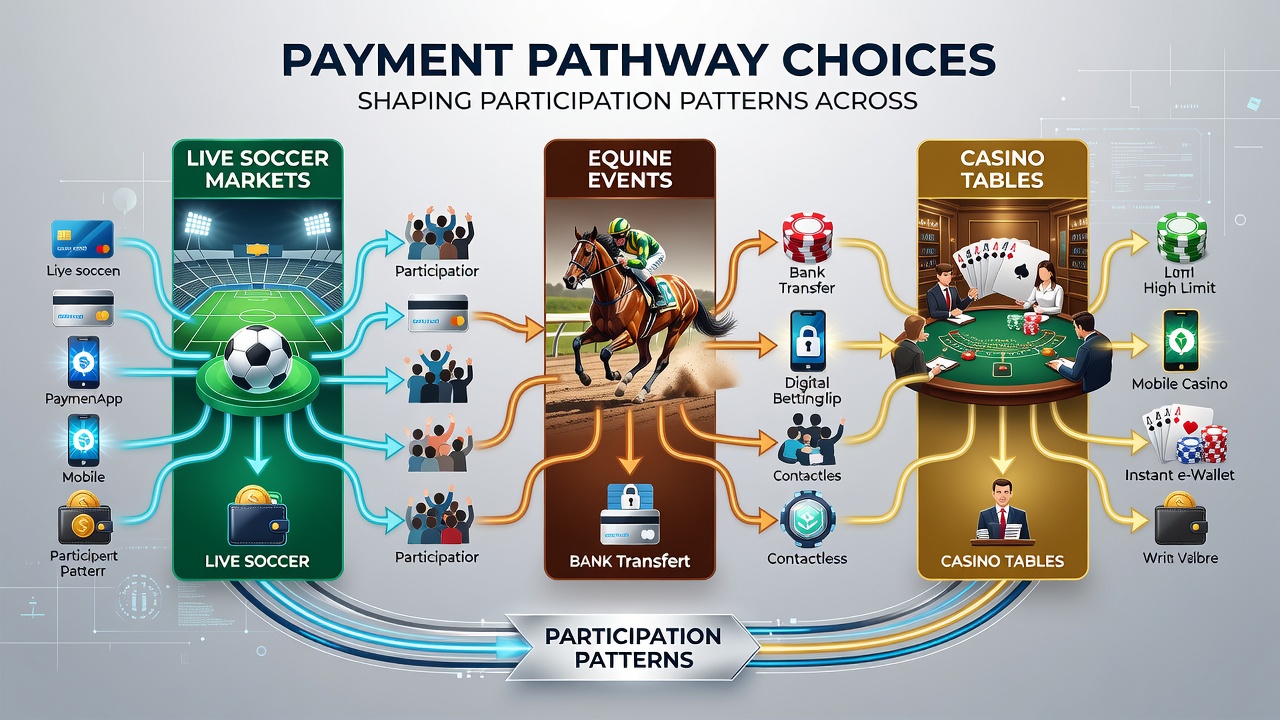
Payment options available to participants continue to influence how individuals engage with live markets across soccer fixtures, equine competitions, and casino tables, with data indicating clear patterns in deposit speeds, withdrawal reliability, and transaction costs shaping overall activity levels. Observers note that methods supporting instant transfers see higher repeat participation during fast-paced events, whereas slower options tend to correlate with reduced involvement once initial funds deplete.
Research from the Nevada Gaming Control Board highlights that card-based deposits remain dominant in many regulated markets, accounting for over 60 percent of transactions in monitored casino and sports platforms during early 2026, yet e-wallets and digital transfers show accelerated adoption in live scenarios where timing affects outcomes directly. These shifts appear because participants value the ability to fund accounts between soccer halves or during equine race intervals without delays interrupting momentum.
Live Soccer Markets and Transaction Timing
Soccer betting sees pronounced effects from payment pathways because in-play wagers often require rapid adjustments based on match developments. Data from European regulatory reviews shows that users with access to instant bank transfers place an average of 2.4 times more live bets per session compared to those relying on standard card processing that takes several minutes. This difference emerges because delays can cause missed odds movements, leading many to favor pathways that process within seconds.
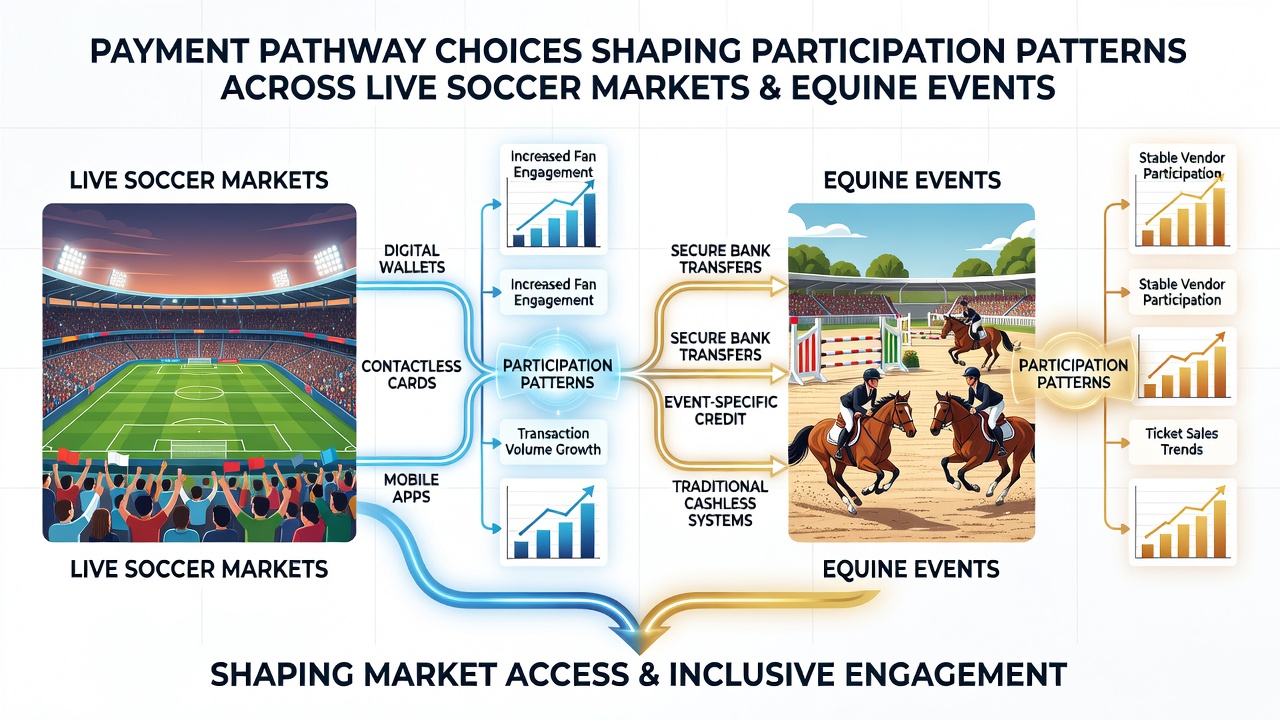
Platforms integrating multiple methods allow participants to switch between options mid-event, which studies link to sustained engagement across entire matches. For instance, those combining e-wallets for deposits with direct bank links for larger top-ups demonstrate steadier participation rates through extra time and penalty phases. June 2026 figures from cross-border industry reports further reveal that regions expanding instant payment support experienced measurable upticks in live soccer volume, reaching 18 percent growth in certain markets.
Equine Events and Funding Flexibility
Equine racing presents distinct participation dynamics tied to payment choices, particularly around pool betting and multi-race accumulators where timing windows close quickly. Evidence from Australian government gambling studies indicates that users preferring digital wallets complete 35 percent more pre-race deposits than card users, correlating with broader involvement across daily race cards. The reality is that equine schedules demand flexibility, and pathways supporting recurring transfers reduce friction during extended meetings.
Observers tracking patterns note that participants using cryptocurrency options show elevated activity in international racing circuits, where currency conversion happens seamlessly. One analysis of North American tracks found that accounts funded via these routes maintained higher average stakes per race day, although overall adoption stays lower than traditional methods. Flexibility here connects directly to how bettors respond to changing track conditions or late jockey announcements without needing to pause activity.
Casino Tables and Withdrawal Influences
Casino table participation responds strongly to withdrawal pathway efficiency because players often adjust strategies based on available balances during extended sessions. Figures from Canadian provincial gaming authorities demonstrate that platforms offering same-day e-wallet cashouts see 27 percent longer average play durations at tables compared to those limited to bank transfers requiring 24 to 48 hours. This pattern holds because quick access to winnings encourages continued rounds rather than session endings.
Blackjack and roulette markets in particular benefit from payment systems that handle micro-transactions efficiently, allowing participants to top up without leaving the table interface. Research indicates that integrated loyalty programs tied to specific payment routes further boost repeat visits, with tracked data showing consistent upticks during peak evening hours across multiple jurisdictions.
Cross-Market Patterns Emerging in 2026
Comparative data across these three areas points to several shared trends where payment pathway selections drive measurable differences. Instant options consistently link to higher live engagement rates, while costlier methods with fees tend to suppress activity once thresholds are reached. Industry reports compiled through mid-2026 emphasize that markets introducing broader digital payment access record broader demographic participation, including younger users who prioritize speed over traditional banking ties.
Yet regional variations persist because regulatory frameworks affect which pathways gain traction. Participants in areas with strong consumer protections around transaction security show greater willingness to explore newer methods, whereas others stick with familiar cards despite slower processing. These choices ultimately shape not just volume but also the timing and duration of involvement across soccer sprints, racing rallies, and table sequences.
Conclusion
Payment pathway decisions continue to mold participation structures in live soccer markets, equine events, and casino tables through their impact on speed, cost, and accessibility. Available evidence from multiple regulatory and research bodies underscores that options enabling seamless real-time funding sustain higher engagement levels, particularly when events unfold rapidly. As systems evolve, the interplay between these choices and user behaviors will likely define future activity distributions across these sectors.