Payment Channels Fueling Exact Live Odds Pursuits in Soccer, Equine Events, and Virtual Platforms
Casey Keller · May 16, 2026
Payment Channels Fueling Exact Live Odds Pursuits in Soccer, Equine Events, and Virtual Platforms
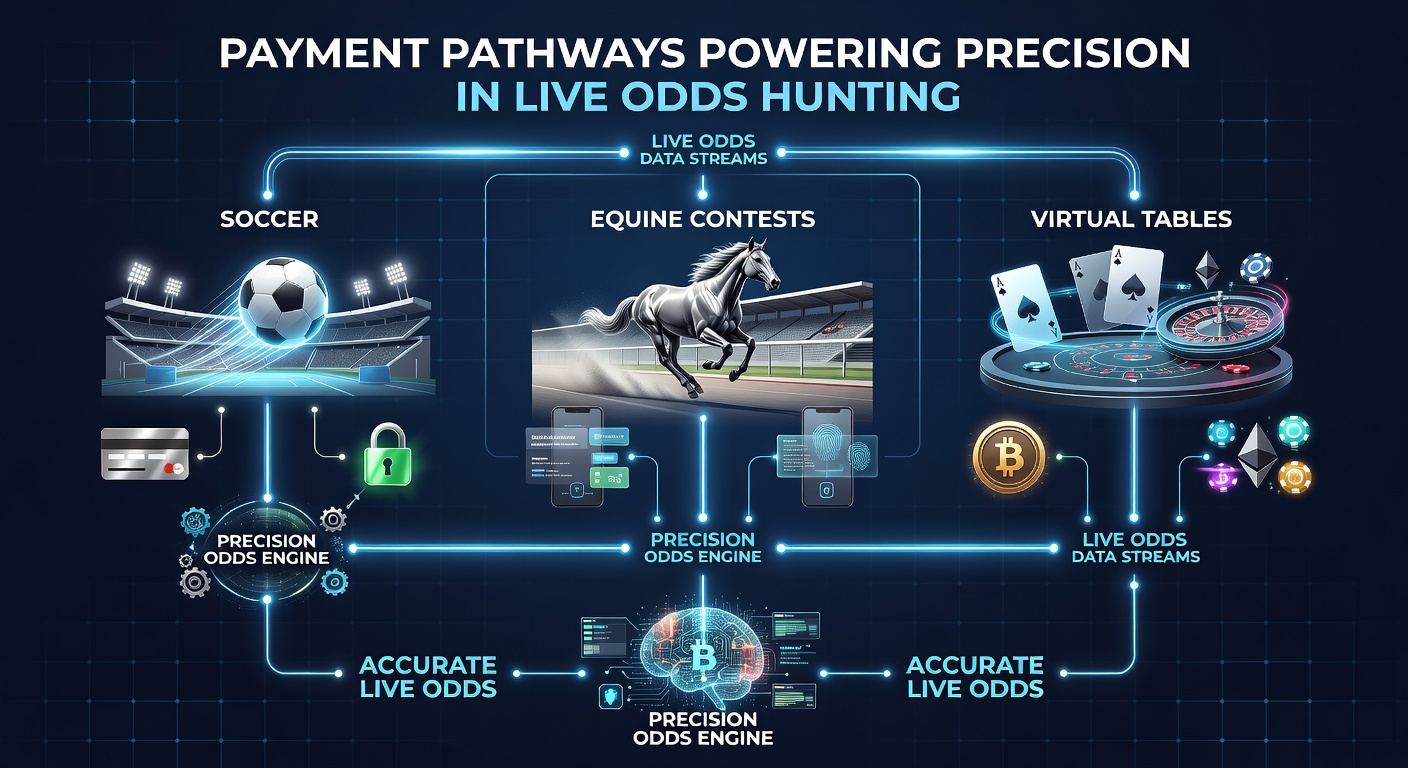
Payment systems have evolved into critical tools that support precise timing during live odds adjustments across soccer matches, equine contests, and virtual table games. These channels handle instant transfers that let users respond to shifting probabilities without delay, while platforms integrate them directly into betting dashboards for seamless execution.
Mechanics of Instant Transfers in Real-Time Environments
Modern payment routes rely on API connections between banking apps, digital wallets, and betting operators to process deposits in seconds rather than minutes. Data from industry analyses shows these speeds enable bettors to lock in odds that change rapidly during play, such as when a soccer team scores or when virtual table outcomes reset every few seconds. Researchers at institutions tracking digital finance note that e-wallet options like those tied to mobile networks reduce friction points that once forced users to miss narrow windows for value bets.
Equine contests present similar demands where odds fluctuate based on track conditions and late entries. Payment processors now support pre-authorized quick top-ups that activate within the same interface used for odds monitoring, allowing adjustments right before post time. In virtual table settings the same pathways handle micro-transactions that align with high-frequency game cycles, keeping balances current without interrupting session flow.
Applications Across Soccer, Racing, and Casino Formats
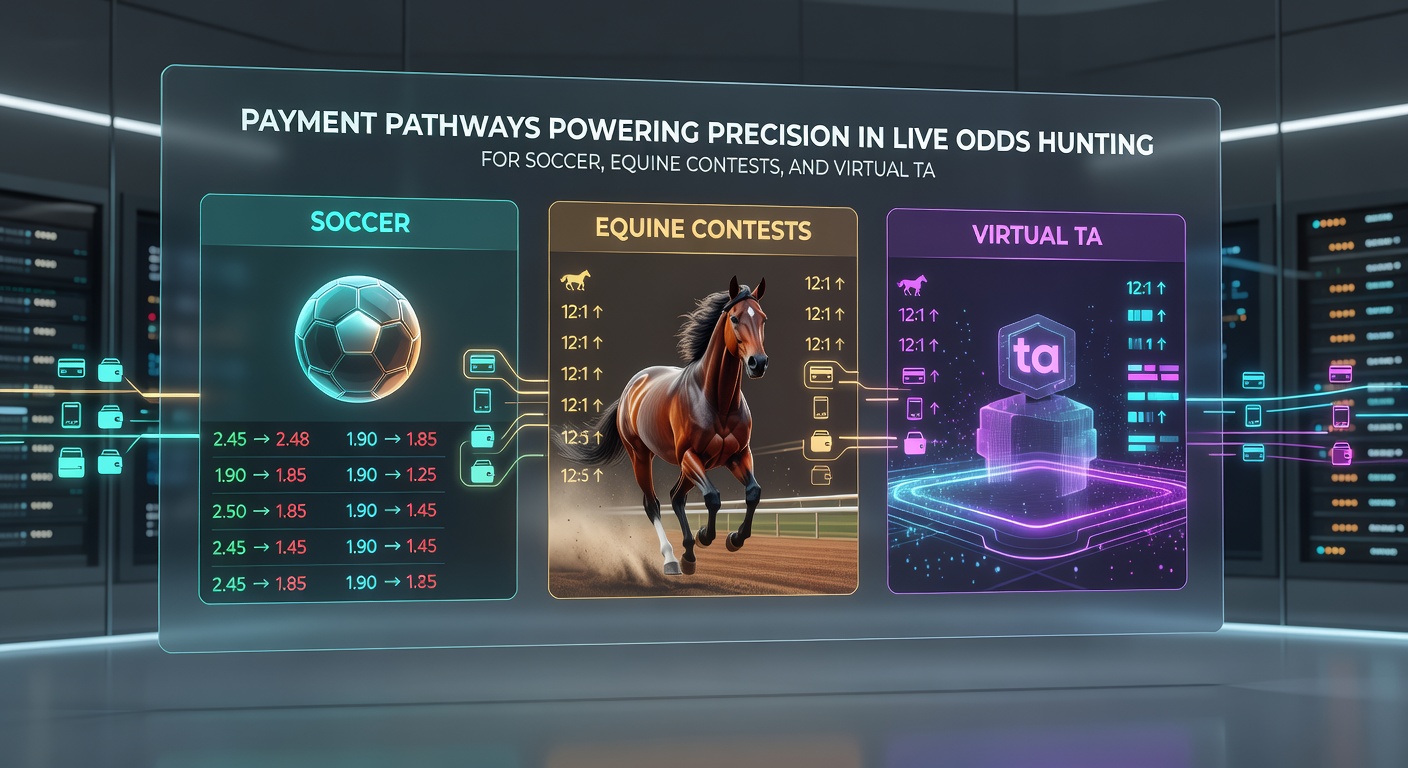
Soccer markets benefit when payment confirmations arrive fast enough to capitalize on in-match developments like red cards or momentum shifts. Observers note that platforms routing funds through local bank integrations achieve higher success rates for live wagers compared to older card-based methods that carry longer verification steps. Equine betting sees parallel gains because instant funding lets users chase updated pools or place last-minute exactas without leaving the odds screen.
Virtual tables gain precision from teh same setup since game rounds move quickly and odds recalculate after every hand or spin. Payment pathways that include biometric approvals cut verification times further, which matters when tables offer live dealer streams synced to real-time statistics. Those who've examined operator logs report fewer abandoned bets when deposit options appear embedded beside the betting slip rather than in separate menus.
Regulatory and Operational Context Around Mid-2026
By May 2026 several jurisdictions had updated rules around transaction speed and consumer safeguards for online gambling. European frameworks emphasized transparent fee structures for instant methods while maintaining anti-money-laundering checks that still complete within acceptable time limits. Operators responded by expanding support for region-specific wallets that comply with these standards yet preserve the quick access needed for live odds hunting.
Industry groups such as the European Gaming and Betting Association published updates showing growth in API-driven payment volumes for live products. Separate analyses from North American regulatory bodies highlighted similar patterns where faster funding correlated with increased participation in in-play markets across sports and games. These shifts reflect infrastructure improvements rather than changes in user behavior alone.
Integration Patterns and Technical Standards
Successful implementations combine payment gateways with odds engines so that balance updates trigger automatic notifications inside the app. This setup helps users maintain focus on live data feeds instead of navigating away to check account status. Technical standards adopted by many providers include tokenization that secures details while allowing repeated quick transfers without re-entry.
Case examples from platform audits reveal that soccer and racing sections often share the same payment layer, which simplifies backend management and reduces latency across categories. Virtual table environments add encryption layers suited to high-volume micro-payments, yet the core pathway remains consistent. Observers point to these unified systems as the reason live odds accuracy improves when users can fund accounts without exiting the main view.
Conclusion
Payment channels continue to shape how precisely participants engage with live odds in soccer, equine contests, and virtual tables. The combination of speed, security, and interface integration supports timely decisions across all three areas. As standards evolve through 2026 and beyond, these routes will likely remain central to maintaining competitive edges in fast-moving betting environments.