Mapping Transaction Pathways That Connect Instant Funding Options With Dynamic Market Evaluations in Mobile Interfaces for Equine Events and Team Sports
Viktor Brooks · Jul 21, 2026
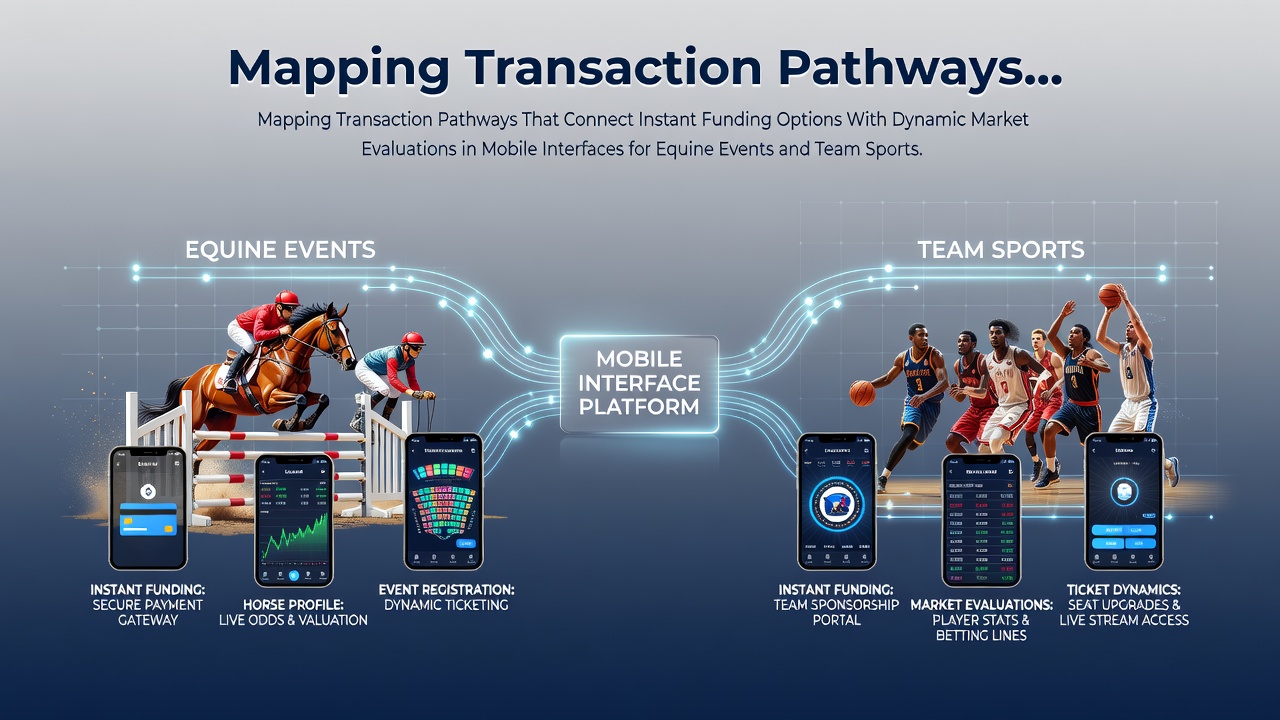
Mapping Transaction Pathways That Connect Instant Funding Options With Dynamic Market Evaluations in Mobile Interfaces for Equine Events and Team Sports
Transaction pathways in mobile betting platforms link instant funding mechanisms directly to real-time market evaluations, creating structured flows that process deposits, adjust odds, and confirm wagers across equine events and team sports. These systems operate through layered protocols where user accounts interface with payment gateways, risk assessment engines, and live data feeds, allowing transactions to complete in seconds while market conditions shift based on incoming information from tracks and playing fields.
Core Components of Transaction Pathways
Payment processors integrate with banking networks and digital wallets to enable instant funding, routing funds through encrypted channels that verify balances before releasing them into betting accounts. Market evaluation modules pull data from multiple sources including event timing systems and participant statistics, recalculating probabilities continuously as new inputs arrive. In equine events, these pathways connect funding requests to pool totals and individual horse performance metrics, whereas team sports interfaces tie deposits to live score updates and player availability changes.
Researchers at the University of Nevada, Reno documented how these integrated flows reduce latency between deposit confirmation and bet placement, noting that seamless connections between funding options and dynamic odds prevent users from missing shifting market windows during races and matches. Data from the Nevada Gaming Control Board shows transaction volumes in mobile channels rose steadily through mid-2026, with equine and team sports categories accounting for significant portions of processed activity.
Instant Funding Mechanisms in Mobile Environments
Instant funding relies on APIs that connect mobile applications to financial institutions, processing authorizations in under five seconds through tokenization and biometric verification steps. Once approved, funds appear in user wallets linked to specific event categories, enabling immediate allocation to either equine racing markets or team sports propositions. Systems track these movements via unique transaction identifiers that feed into audit logs required by regulatory frameworks in multiple jurisdictions.
During July 2026, several platforms updated their funding pathways to incorporate additional verification layers following updates to cross-border payment standards, ensuring compliance while maintaining speed. Observers note that equine event interfaces often prioritize pool-based funding routes, while team sports modules emphasize single-event wager funding tied to real-time line movements.
Dynamic Market Evaluations and Their Integration
Market evaluation engines operate on algorithmic models that ingest streaming data from event venues, adjusting odds and pool distributions accordingly. These models connect directly to transaction pathways, halting or modifying pending bets when evaluations cross predefined thresholds. In mobile interfaces for equine events, evaluations incorporate track conditions, jockey changes, and historical performance datasets, whereas team sports evaluations factor in lineup adjustments, weather impacts, and in-game statistics.
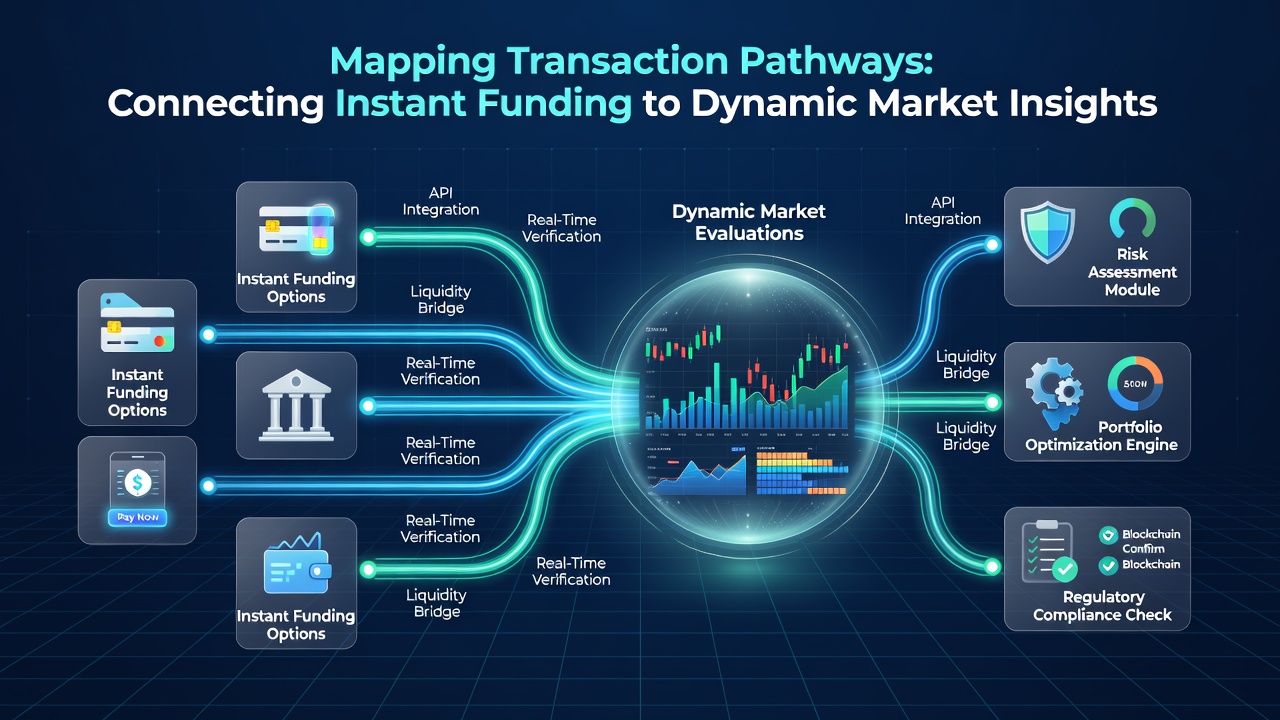
Industry reports from the Canadian Gaming Association indicate that platforms employing these connected systems recorded higher completion rates for funded wagers during volatile periods in both racing and team competitions. The pathways ensure that once funding clears, the evaluation module locks the selected market parameters for that specific transaction, preventing discrepancies between the moment of deposit and wager confirmation.
Equine Events Specific Pathways
Equine-focused mobile interfaces route transactions through specialized modules that align funding with tote systems and fixed-odds books simultaneously. Users initiate deposits that trigger immediate market scans, surfacing available equine events with current pool sizes and payout projections. Pathways then direct confirmed funds into selected races, updating totals in real time as additional wagers from other participants enter the system.
Studies conducted by the Australian Institute of Gambling Research highlight how these equine transaction flows incorporate geographic restrictions and event-specific rules, routing payments only to jurisdictions where the events are licensed. Data processing occurs through redundant servers that maintain synchronization between funding status and market availability throughout the duration of each race card.
Team Sports Application Layers
Team sports interfaces employ similar pathways but adapt them to multi-outcome structures and longer event durations. Funding options connect to evaluation engines that recalculate spreads, totals, and player props as matches progress, with transaction confirmations timestamped against live game clocks. Mobile applications display these shifts alongside funding balances, allowing users to initiate additional deposits mid-event when evaluations indicate favorable conditions.
Regulatory filings from the Malta Gaming Authority reveal that team sports transaction volumes through instant funding channels expanded notably in the first half of 2026, driven by improved API integrations between sports data providers and payment processors. These pathways maintain separation between pre-event and in-play funding to comply with distinct licensing categories for each segment.
Security and Compliance Structures
Encryption standards and multi-factor authentication protocols protect every segment of the transaction pathway, from initial funding request through market evaluation and final settlement. Audit trails capture each step, enabling regulators to trace fund movements against corresponding market changes in both equine and team sports contexts. July 2026 updates to several platforms introduced enhanced monitoring for unusual funding patterns linked to rapid market shifts.
Organizations such as the European Gaming and Betting Association have published guidelines on maintaining pathway integrity across different sporting categories, emphasizing the need for real-time reconciliation between funded amounts and evaluated market exposures.
Conclusion
Transaction pathways that connect instant funding with dynamic market evaluations form the operational backbone of mobile interfaces handling equine events and team sports. These structured flows process deposits, apply real-time adjustments, and confirm wagers while adhering to regulatory requirements across jurisdictions. Continued refinements in July 2026 and beyond reflect ongoing efforts to align speed, accuracy, and compliance within these integrated systems.