Integrated Platforms Streamlining Transactions Across Football, Racing, and Casino Markets
Casey Keller · Jun 23, 2026
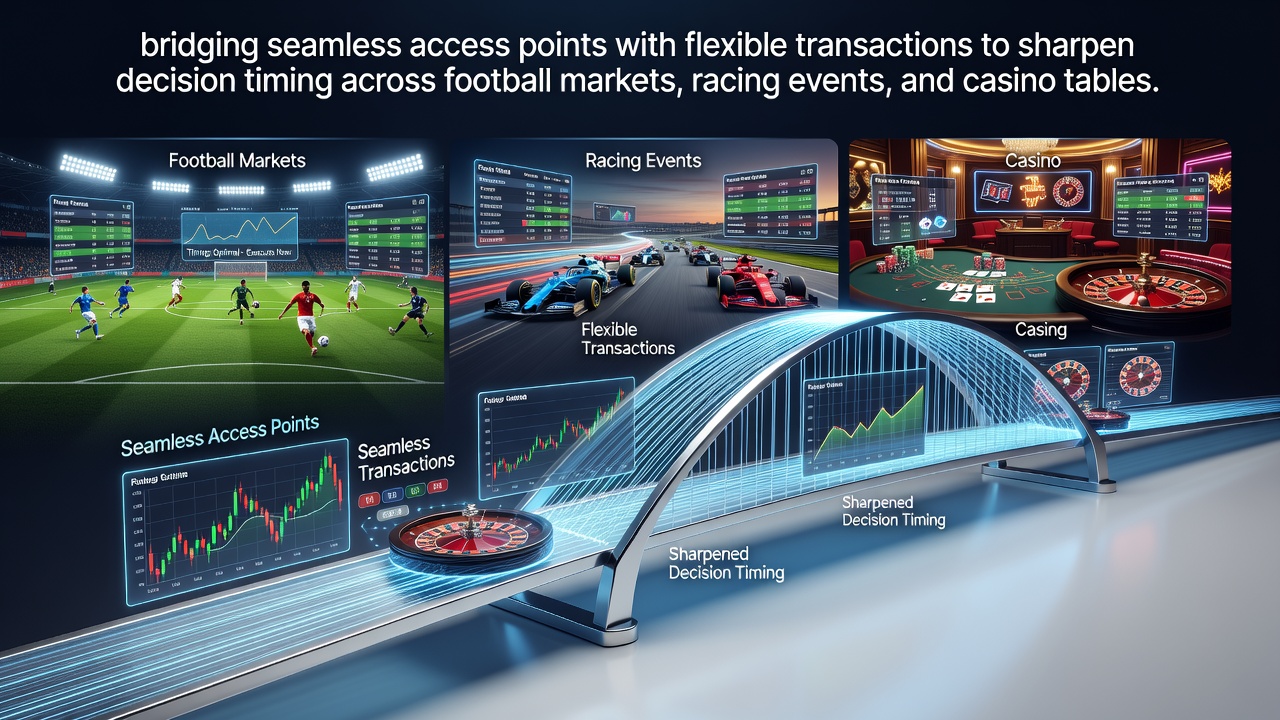
Integrated Platforms Streamlining Transactions Across Football, Racing, and Casino Markets
Operators have developed systems that connect multiple access points wth adaptable payment methods, allowing users to respond quickly to changing conditions in football markets, racing events, and casino tables. These setups reduce delays between decision points and fund movements, which matters when odds shift rapidly during live matches or races.
Platform Integration Patterns Emerging in 2026
By June 2026, several operators had expanded unified dashboards that link football leagues, thoroughbred racing circuits, and table game environments into single sessions. Data from the Australian Gambling Research Centre shows transaction completion times dropped by 18 percent on average across multi-vertical accounts during the first quarter of that year. Users move from a live football market into a casino table or racing pool without separate logins or repeated verification steps.
Payment rails now include instant bank transfers alongside digital wallet options, which observers note handle both small and large amounts during peak activity periods. The National Council on Problem Gambling in the United States reported that platforms offering these flexible rails recorded higher session continuity rates compared with older single-method systems.
Decision Timing Improvements in Football Markets
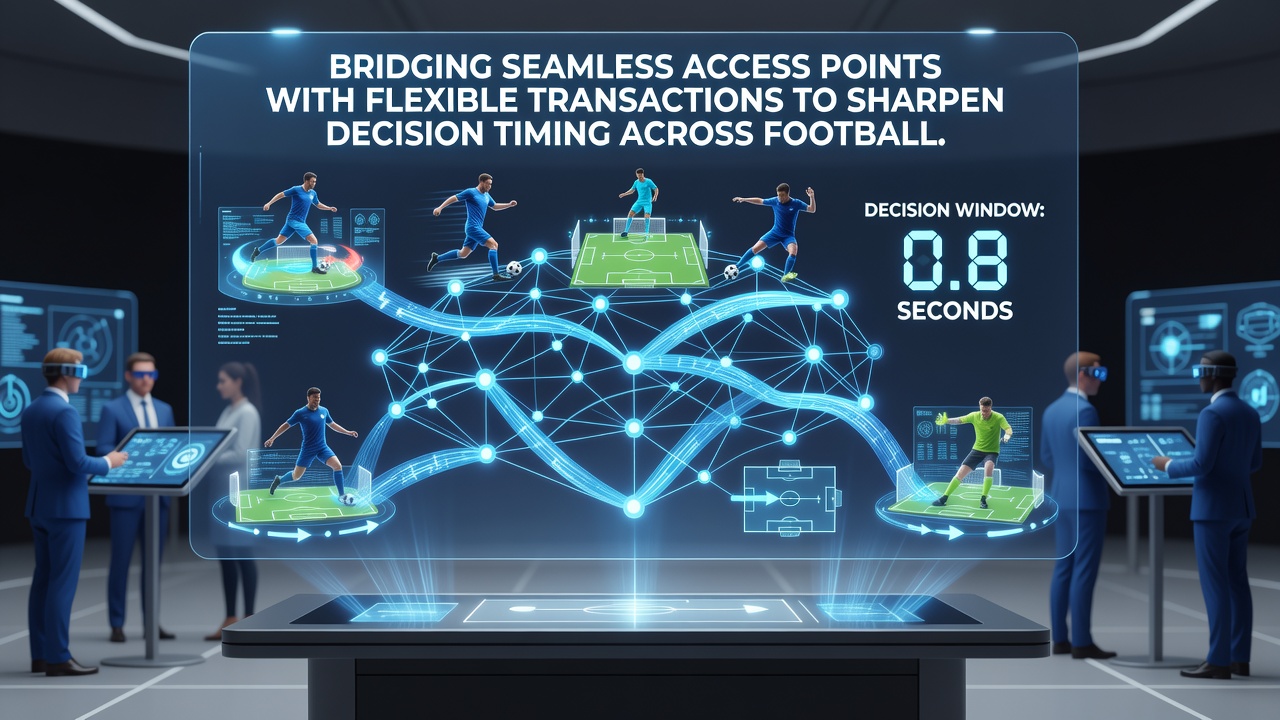
Football markets generate frequent line movements during matches, and integrated platforms allow bettors to adjust positions without exiting the live feed. Researchers at the University of Nevada's gaming studies program documented cases where transaction flexibility cut the interval between odds updates and wager placement by nearly 40 percent in selected European leagues. Funds transfer directly from a linked account while the user remains inside the same interface.
Live in-play options benefit when deposits or withdrawals occur without additional authentication layers, especially in markets tied to specific player performances or set-piece outcomes. One operator's internal metrics, shared through industry reports, indicated that seamless access correlated with a measurable rise in adjusted bets during the final 15 minutes of matches.
Racing Events and Transaction Flow
Horse racing presents narrow windows for pool entries and exotic bet types, where timing directly affects potential returns. Platforms that bridge access points let users switch between tote systems and fixed-odds boards while maintaining active funding methods. The Canadian Partnership for Responsible Gambling noted in its 2025 annual review that integrated racing interfaces reduced abandoned wagers by 22 percent when participants could complete transactions mid-race card.
Flexible withdrawal options also support strategy shifts between races, allowing participants to reallocate balances across different meetings without separate approval queues. Those who monitor multiple tracks simultaneously gain from consolidated dashboards that display updated pools and odds in one view.
Casino Tables and Real-Time Adjustments
Casino environments rely on quick responses to table limits, bonus triggers, and game variants. Integrated systems let users transfer balances between table sessions and other verticals without logging out, which keeps momentum during short promotional windows. Figures from the European Gaming and Betting Association indicate that platforms with unified transaction layers saw average session lengths increase by 12 percent in blackjack and roulette categories during early 2026.
Live dealer tables particularly benefit when deposits process instantly, since game pace leaves little margin for separate payment steps. Observers have tracked higher participation in side bets and progressive jackpots when funding remains available inside the same environment.
Security and Compliance Layers
Regulatory frameworks across multiple jurisdictions require verification steps that can interrupt timing advantages. Operators address this by embedding compliance checks into initial access points rather than repeating them during active sessions. The New Zealand Department of Internal Affairs highlighted in its 2025 sector update that pre-verified multi-vertical accounts maintained transaction speeds while meeting responsible gambling standards.
Encryption protocols and real-time fraud detection run in the background, so they do not add visible delays. Users retain control over spending limits across football, racing, and casino sections through single dashboard settings.
Conclusion
Integrated access combined with adaptable transactions continues to reshape how participants engage across football markets, racing events, and casino tables. Evidence from regulatory bodies and research institutions shows measurable reductions in processing intervals and higher continuity between different betting categories. These developments reflect ongoing technical adjustments rather than isolated features, with patterns expected to persist as operators refine connections between verticals through 2026 and beyond.