Coordinating Multi-Channel Assistance and Rapid Deposit Tools to Adapt to Market Fluctuations in Mobile Soccer and Thoroughbred Wagering Platforms
Riley Long · Jul 30, 2026
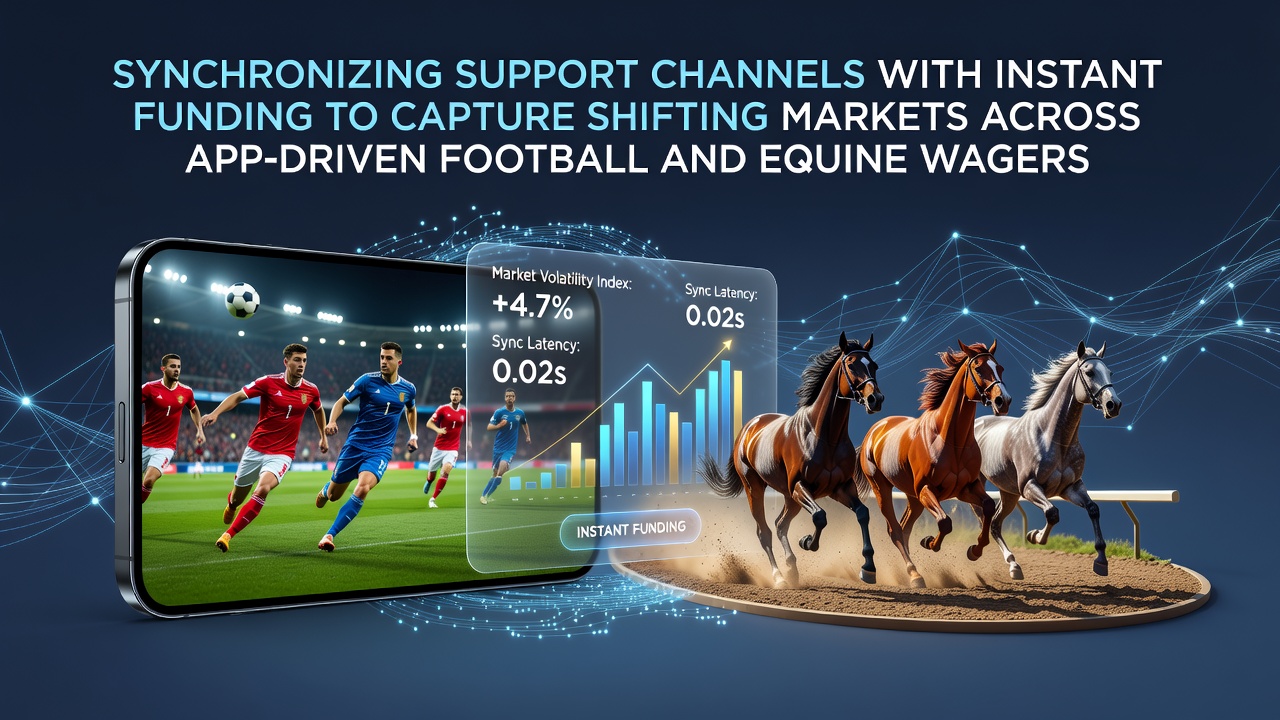
Coordinating Multi-Channel Assistance and Rapid Deposit Tools to Adapt to Market Fluctuations in Mobile Soccer and Thoroughbred Wagering Platforms
Operators in the betting sector coordinate customer assistance across chat, email, phone lines, and AI-driven bots with instant funding options such as bank transfers, digital wallets, and card payments to respond to changes in user behavior within mobile soccer and horse racing applications; this alignment allows platforms to address deposit delays or withdrawal queries during live events while users place wagers on football matches or equine races that shift rapidly based on real-time data.
Market Dynamics Driving the Need for Synchronization
Shifting markets appear in app-driven football and equine wagers as mobile usage grows and in-play betting expands, with users expecting seamless transitions from odds checking to funding accounts and receiving support without interruptions; data from industry reports indicate that platforms integrating these elements see higher retention rates during peak periods like major soccer tournaments or racing festivals in July 2026 when seasonal events draw increased traffic.
Researchers at academic institutions have documented how fragmented support channels lead to abandoned bets when funding issues arise mid-event, whereas synchronized systems route queries directly to agents equipped with real-time transaction visibility; one study from a European research group highlighted that equine wager volumes fluctuate with track conditions and live updates, requiring support teams to verify instant deposits within seconds to keep users engaged.
Technical Integration of Support and Funding Systems
Platforms achieve synchronization through backend APIs that link customer relationship management tools with payment processors, allowing support representatives to view funding status, resolve verification holds, and confirm transactions without transferring users between departments; this setup proves effective in soccer markets where live odds change quickly and bettors often need immediate assistance with account top-ups to capitalize on shifting lines.
Equine wagering apps incorporate similar linkages, with instant funding options such as e-wallets enabling deposits that appear in user balances within moments, paired with support protocols that escalate complex issues like failed transactions to specialized teams; according to findings from the American Gaming Association, such integrations reduce average resolution times and support higher volumes of concurrent users during busy racing schedules.
Case Examples from Operational Practices
Take one platform that implemented unified dashboards for support staff handling both soccer and horse racing segments, where agents access funding logs alongside chat histories to guide users through deposit confirmations during volatile match periods; observers note that this approach captures market shifts by minimizing downtime when bettors encounter delays in funding live wagers.
Another instance involves operators in North American markets who aligned telephone support with automated instant funding alerts, directing users to verified payment methods while agents monitor equine race pools for last-minute adjustments; data shows these coordinated efforts align with broader trends in mobile engagement reported by regulatory bodies in Canada.

Regulatory and Technological Considerations in July 2026
By July 2026 regulatory frameworks across various regions emphasize secure funding mechanisms and responsive support standards, prompting operators to audit their synchronized systems for compliance while adapting to new market entries in app-based football and equine betting; government agencies in Australia have released guidelines that encourage platforms to maintain transparent transaction records accessible to support channels during user inquiries.
Technological advancements such as cloud-based payment gateways and machine learning for query routing further enable this coordination, with platforms testing updates that predict funding-related support needs based on historical patterns in soccer and racing apps; external analyses from the American Gaming Association reveal steady adoption of these tools to handle seasonal spikes without service gaps.
Those who have examined user data across regions find that synchronized operations also address cross-border payment variations, where soccer bettors in one jurisdiction might prefer certain instant methods unavailable to equine wager participants elsewhere, requiring support teams trained on regional specifics to maintain continuity.
Conclusion
Overall the coordination of support channels with instant funding creates operational resilience that allows platforms to respond to evolving demands in app-driven football and equine wagering markets; evidence from multiple sources demonstrates measurable improvements in transaction handling and user continuity when these elements align effectively.