Coordinating Live Support With Payment Authentication in Multi-Vertical Betting Platforms Covering Soccer, Horse Racing, and Casino Games
Olivia Brooks · Jun 13, 2026
Coordinating Live Support With Payment Authentication in Multi-Vertical Betting Platforms Covering Soccer, Horse Racing, and Casino Games
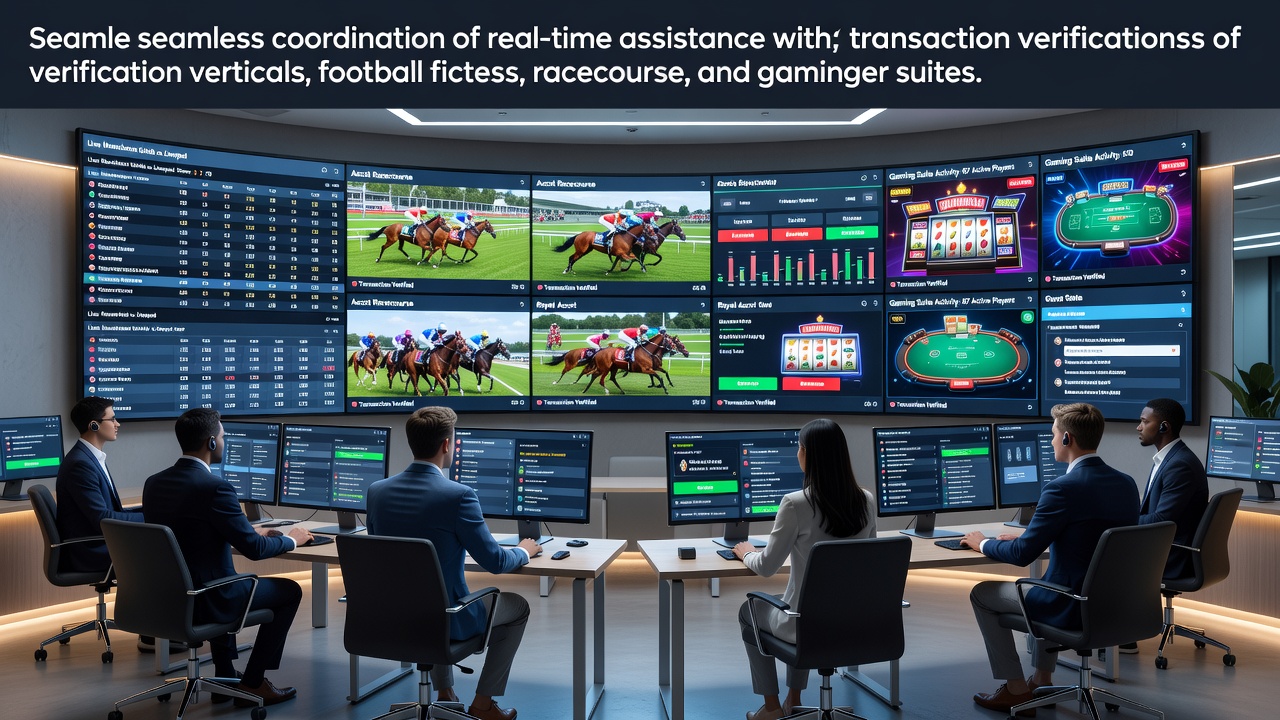
Operators handle real-time assistance alongside transaction verifications by linking support teams directly to payment systems that span football fixtures, racecourse betting, and gaming suites, and this integration allows staff to confirm deposits or withdrawals while addressing user queries in a single workflow. Systems track each transaction through automated flags that trigger human review when anomalies appear, such as mismatched account details or unusual bet volumes during live events.
Core Mechanisms Across Betting Verticals
Football fixtures demand quick verification because match-day deposits often coincide with rapidly changing odds, so platforms route these checks through dedicated channels that connect support agents to banking APIs within seconds of a request. Racecourse operations add another layer since on-course and remote bets may involve multiple payment methods tied to tote pools or fixed-odds markets, requiring verification tools that reconcile cash and digital transfers simultaneously. Gaming suites operate on continuous play cycles where players move between slots, tables, and live dealer options, and verification protocols must remain active without interrupting sessions.
Research from the Responsible Gambling Council shows that synchronized verification and support reduce average resolution times for transaction issues by up to 40 percent when applied across verticals. Staff training programs emphasize scenario-based exercises that simulate simultaneous football in-play bets, race results payouts, and casino bonus redemptions, helping teams recognize patterns that signal either legitimate activity or potential errors.
Technology Supporting Unified Operations
Centralized dashboards display live transaction queues alongside open support tickets, allowing supervisors to assign cases based on urgency and vertical type. API connections between banking processors, betting engines, and customer relationship systems push alerts when a deposit fails verification or when a withdrawal request exceeds preset thresholds. These alerts include context such as the user's recent activity in football markets or recent casino session length, which helps agents decide whether to approve, hold, or request additional documentation.
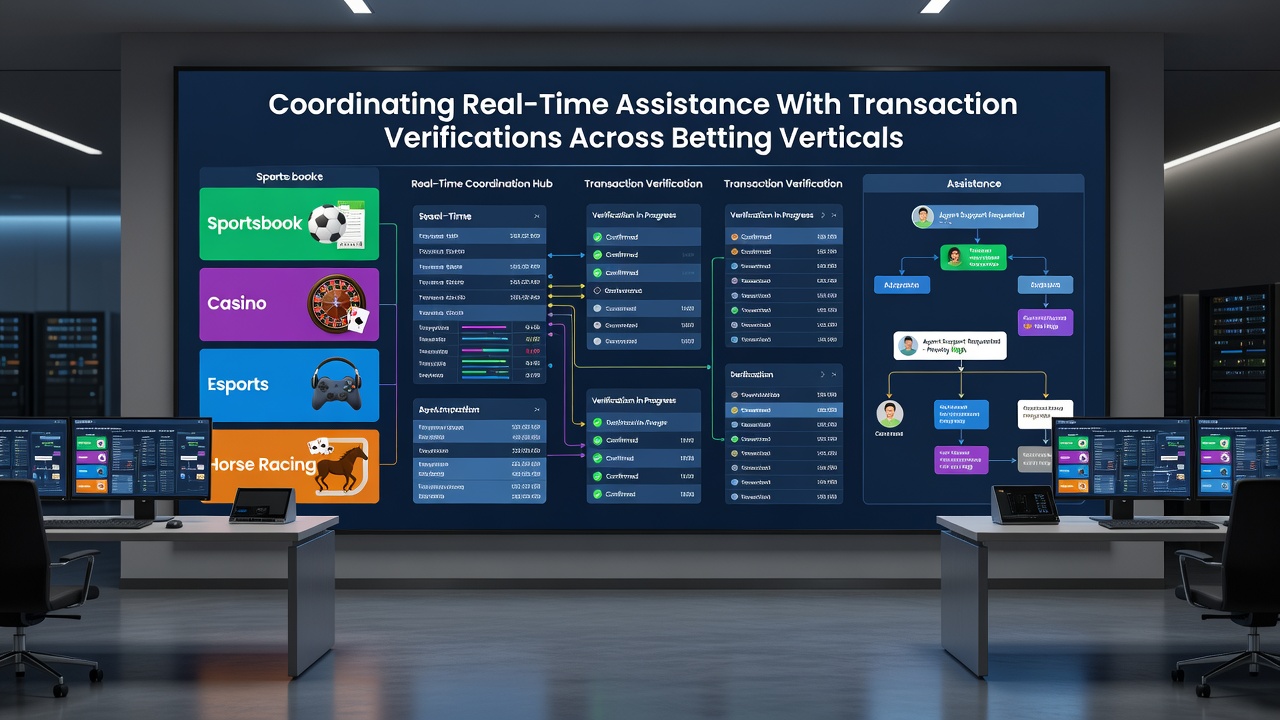
June 2026 brought incremental updates to several regulatory frameworks outside the UK that encouraged operators to adopt shared verification standards across product lines. Data from the Australian Gambling Research Centre indicates that platforms using unified systems recorded fewer disputed transactions during peak racing festivals and major football tournaments compared with segmented setups. European operators have tested similar coordination models through industry pilots coordinated by the European Gaming and Betting Association, focusing on cross-border transaction flows that touch multiple verticals in one account.
Operational Workflows and Staff Coordination
Support agents follow structured escalation paths when verification flags appear during high-volume periods, such as a Saturday football slate or an evening race meeting followed by casino promotions. One workflow routes football-related queries to agents familiar with in-play markets, while racecourse issues move to specialists who understand tote versus book odds calculations. Casino queries often land with teams trained on bonus wagering requirements and progressive jackpot rules, yet all teams share access to the same verification database.
Case management software logs every interaction, creating audit trails that regulators and internal compliance teams review periodically. These records show timestamps for each verification step, the agent who handled the case, and the final resolution, whether funds were released or additional checks were required. Observers note that this documentation also supports training by highlighting recurring transaction patterns that benefit from updated verification rules.
Challenges in Multi-Vertical Environments
Peak periods create overlapping demands when a major football match, a high-profile race meeting, and a casino tournament run concurrently, stretching both automated systems and human resources. Latency in one vertical's payment processor can delay verification for users active in another, so operators maintain redundant connections and fallback protocols. Data from the National Council on Problem Gambling highlights that clear communication during these overlaps helps maintain user trust even when processing times extend beyond normal ranges.
Security protocols require constant updates because transaction fraud attempts often migrate between verticals within the same account, moving from attempted casino withdrawals to football betting deposits once one channel is blocked. Coordination teams therefore monitor cross-vertical behavior rather than isolated activity, allowing earlier detection of coordinated attempts.
Conclusion
Effective coordination of real-time assistance with transaction verifications depends on integrated technology, trained staff, and consistent workflows that function across football fixtures, racecourses, and gaming suites. Platforms that maintain these connections report smoother operations during busy periods and fewer unresolved cases, according to industry reports. Continued refinement of these systems supports both regulatory compliance and user experience as betting environments grow more interconnected.