Coordinating Financial Transfers with Support Networks for Swift Odds Revisions in Athletic Events, Equine Contests, and Simulated Gaming Environments
Viktor Brooks · Jul 2, 2026

Coordinating Financial Transfers with Support Networks for Swift Odds Revisions in Athletic Events, Equine Contests, and Simulated Gaming Environments
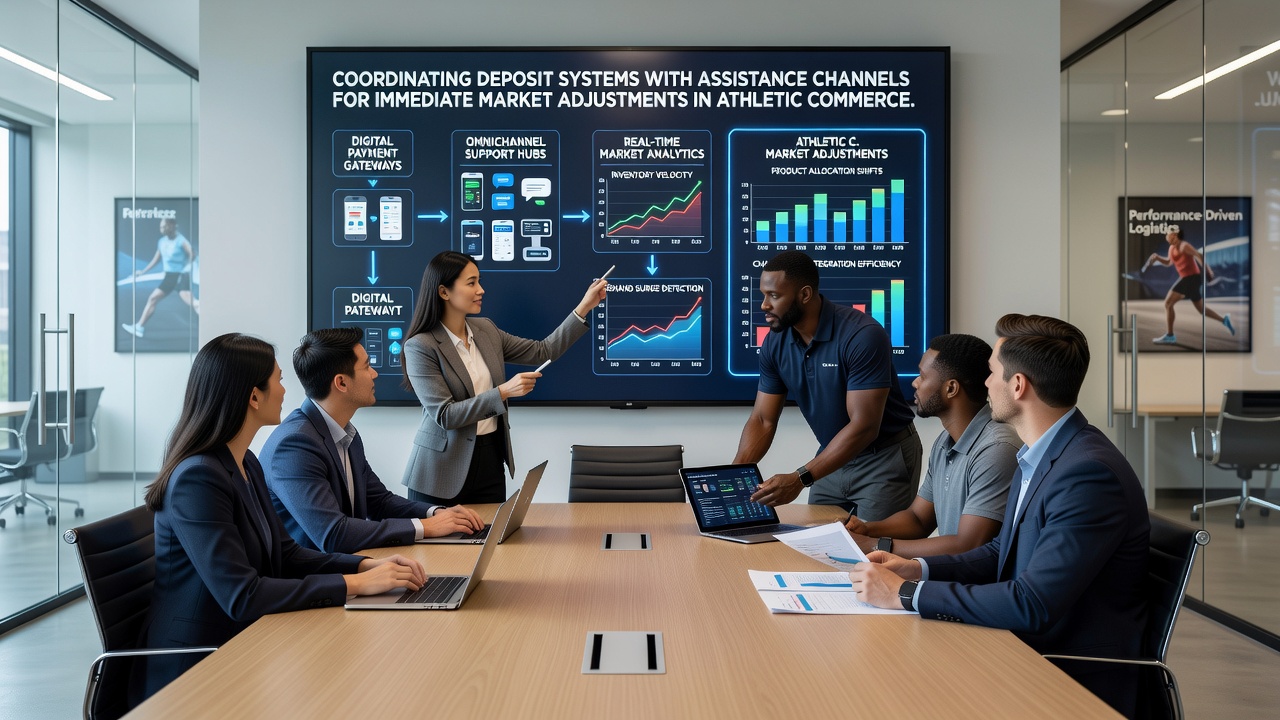
Platforms handling athletic competitions integrate deposit systems directly with assistance channels so users can respond to shifting odds without delay, while equine races demand similar coordination because track conditions and participant updates alter probabilities rapidly, and virtual gaming options add layers of simulated environments that require equivalent responsiveness. Studies from the Australian Gambling Commission indicate that synchronized payment and support functions reduce transaction friction during live market movements across these sectors.
Core Mechanisms Behind Deposit and Assistance Integration
Financial transfer protocols link to customer assistance interfaces through automated verification layers that confirm funds availability within seconds, allowing immediate placement of wagers when odds fluctuate in athletic events where player performance metrics change continuously. Equine contests benefit from parallel setups because betting pools adjust based on late scratches and pace calculations, whereas virtual gaming environments use the same infrastructure to handle simulated outcomes generated by algorithmic sequences. Data from the National Council on Problem Gambling shows that such coordination maintains operational continuity across multiple verticals without separate approval steps interrupting the flow.
Application in Athletic Competitions
During soccer matches or basketball games, live odds shift based on real-time statistics such as possession percentages and injury reports, so deposit channels paired with chat or call support enable users to add funds and adjust positions before the next play sequence begins. Observers note that platforms employing these linked systems record higher volumes of in-event transactions compared to those maintaining isolated processes, because assistance representatives can guide users through verification while the market remains active. In July 2026, reports from European betting associations highlighted increased adoption of these integrated models following updates to cross-border transaction standards.
Equine Races and Real-Time Pool Adjustments
Horse racing markets operate on tight timelines where post time approaches quickly and late information about track surfaces or equipment changes influences final odds, requiring deposit systems to process instantly alongside assistance that resolves account queries on the spot. Research compiled by the University of Nevada, Las Vegas International Gaming Institute demonstrates that facilities using coordinated channels experience fewer abandoned bets during the final minutes before a race starts. Virtual overlays on traditional racing further extend these requirements, as simulated replays and alternative outcomes demand the same payment-support linkage to keep participants engaged across both physical and digital formats.
Virtual Gaming Options and Algorithmic Responsiveness
Simulated environments generate outcomes through random number generators that produce frequent market recalibrations, so deposit assistance coordination ensures users maintain active balances while navigating multiple game variants without exiting the session. Those who manage these platforms report that embedding support access directly into the funding workflow minimizes downtime when virtual events trigger rapid probability revisions. Figures released by the Canadian Gaming Association reveal consistent patterns where integrated systems support higher session continuity rates across virtual sports simulations and table game adaptations.
Regulatory and Operational Considerations in July 2026
By July 2026, several jurisdictions had updated guidelines requiring transparent logging of coordinated deposit and assistance interactions to verify fair market access during dynamic periods. These measures apply equally to athletic competitions, equine events, and virtual options, ensuring that support channels do not create preferential timing advantages. Industry analyses from the Asia Pacific Association of Gaming Regulators indicate that compliance frameworks now emphasize real-time audit trails connecting payment confirmations with assistance records, reducing potential discrepancies when markets move quickly.
Technical Infrastructure Supporting the Coordination
API connections between banking processors and customer relationship management tools allow assistance personnel to view deposit status and approve adjustments simultaneously, which proves essential when athletic competitions enter overtime periods or equine races encounter steward inquiries. Virtual gaming platforms rely on the same architecture to handle high-frequency requests generated by continuous simulation cycles. The approach combines encryption protocols with session management so that users experience seamless transitions between funding actions and support interventions.
Conclusion
Effective coordination between deposit systems and assistance channels creates operational pathways that accommodate immediate market adjustments across athletic competitions, equine races, and virtual gaming options, with evidence from multiple regulatory and academic sources confirming measurable impacts on transaction efficiency and user retention metrics. Continued refinement of these linkages aligns with evolving standards observed through mid-2026 across international markets.