Connecting Financial Streams to Analytical Intelligence in Unified Mobile Wagering Platforms
Ines Friedrich · Jun 27, 2026
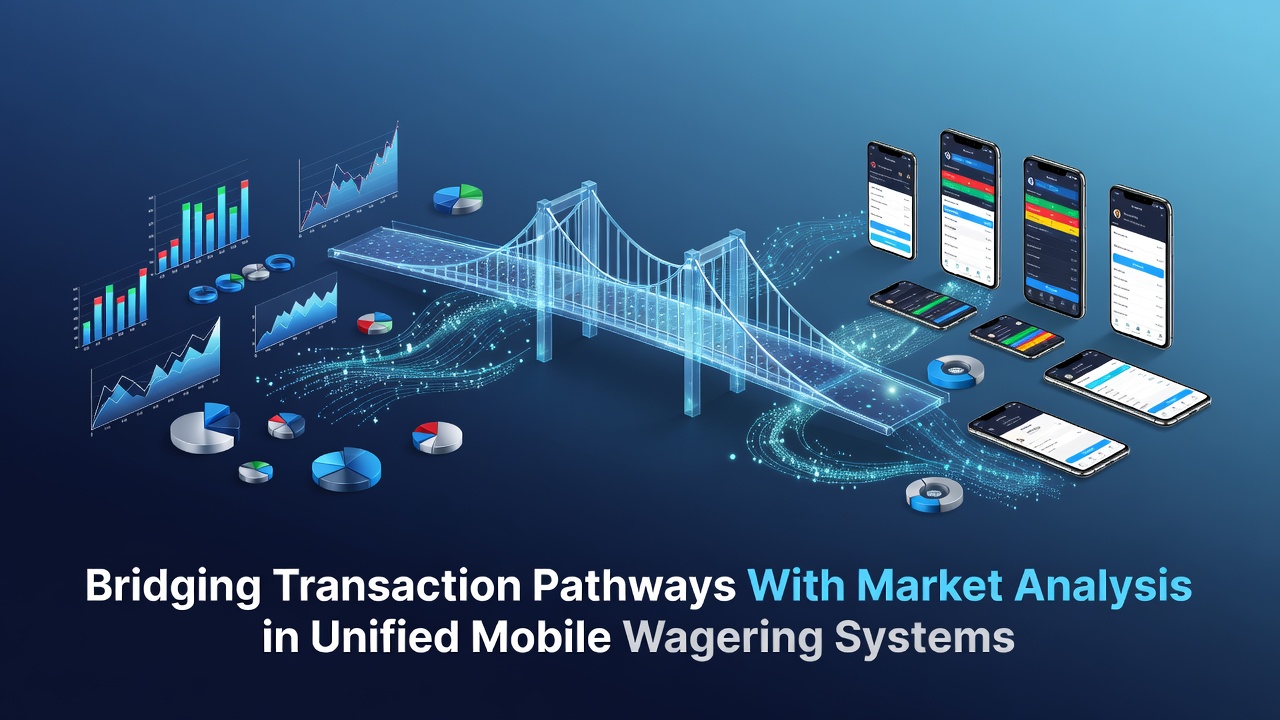
Connecting Financial Streams to Analytical Intelligence in Unified Mobile Wagering Platforms
Unified mobile wagering systems combine payment processing channels with market analysis engines to create seamless experiences for users across sports betting, racing, and casino offerings, and this integration has accelerated through 2026 as operators respond to evolving regulatory frameworks and technological capabilities. Observers note that transaction pathways now feed directly into analytical models that adjust odds, promotions, and risk parameters in real time.
Core Components of Transaction Pathways
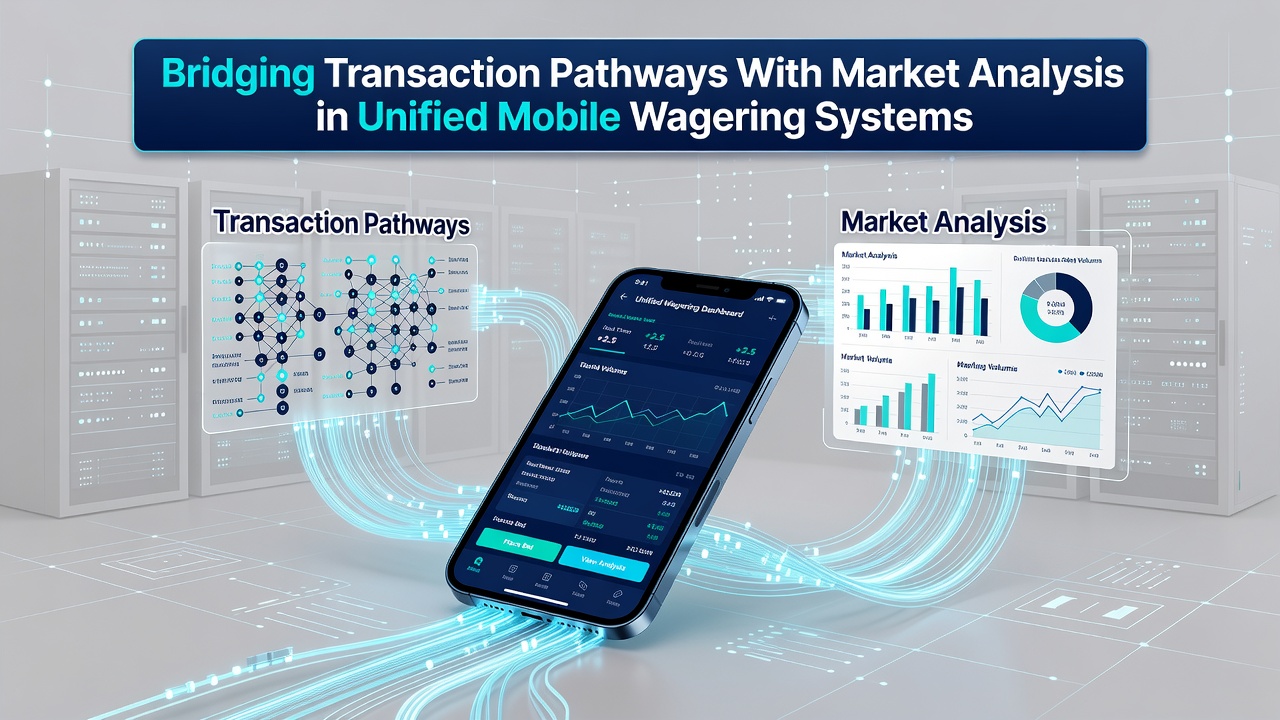
Payment routes in these platforms handle deposits, withdrawals, and internal transfers through multiple channels including digital wallets, bank transfers, and card networks, while each step generates data points that analytical systems capture immediately. Researchers at industry conferences in early 2026 highlighted how standardized APIs allow these pathways to operate across borders without creating separate ledgers for each game type or jurisdiction.
Market analysis tools sit alongside these pathways and process live betting volumes, odds movements, and user behavior patterns to identify value shifts or emerging trends, and the linkage means that a sudden surge in wagers on a particular soccer market can trigger automatic adjustments in promotional offers or risk limits within seconds. Data from regulatory filings in several regions shows that platforms using this combined approach report higher transaction success rates compared with siloed systems.
Market Analysis Integration Mechanisms
Analytical engines pull from transaction logs to build predictive models that forecast liquidity needs and potential market imbalances, and these models draw on historical patterns alongside current activity to guide decisions about odds compilation and bonus allocation. Experts have observed that when transaction data flows uninterrupted into analysis layers, operators gain clearer visibility into cross-product user journeys that span soccer in-play bets and casino table sessions.
In June 2026 several platforms updated their backend infrastructure to support faster data synchronization between payment processors and analytical dashboards, a move driven by new technical standards released by international gaming associations. This timing coincided with increased scrutiny from bodies such as the Nevada Gaming Control Board, which published updated guidelines on real-time reporting requirements for mobile operators.
Practical Applications Across Betting Verticals
Soccer markets benefit when transaction speed data informs live odds because rapid deposits during high-profile matches allow platforms to maintain liquidity and respond to volume spikes without delays, while racing operators use the same pathways to manage pool betting adjustments based on incoming wager flows. Casino sections within unified apps apply similar logic to slot and table game promotions, linking deposit patterns to personalized bonus triggers that reflect current player value metrics.
One documented case involved a North American operator that connected its payment gateway logs directly to a market analysis suite, resulting in a measurable reduction in failed transactions during peak evening hours, according to an American Gaming Association report. European operators have reported parallel outcomes after adopting comparable architectures that comply with the European Gaming and Betting Association's interoperability recommendations.
Regulatory and Security Considerations
Regulators across multiple jurisdictions now expect unified platforms to demonstrate that transaction data and market analysis outputs remain auditable and segregated where required, and this has prompted investment in encryption layers and access controls that protect both financial records and analytical outputs. Observers point out that June 2026 saw several licensing renewals hinge on proof of these integrated safeguards rather than standalone payment or analytics certifications.
Security protocols also extend to fraud detection, where transaction anomalies feed into market analysis models that flag unusual betting patterns before they affect broader odds integrity, and studies from academic research groups have examined how these combined systems reduce exposure to coordinated manipulation attempts across multiple verticals.
Future Directions in System Architecture
Developers continue to refine the handoff between transaction pathways and analytical modules by adopting machine learning techniques that refine predictions based on completed payment cycles, and early adopters in the Asia-Pacific region have shared performance metrics showing improved settlement times when these loops operate continuously. Industry groups anticipate further standardization efforts that will allow smaller operators to access the same level of integration previously available only to large-scale platforms.
Conclusion
Unified mobile wagering systems achieve greater operational coherence when transaction pathways supply continuous input to market analysis functions, creating feedback loops that support responsive odds management, targeted promotions, and regulatory compliance. The developments observed through mid-2026 illustrate how these connections now form a standard expectation rather than an optional enhancement across major markets.